Concrete Driveway Sealing in Seattle, WA
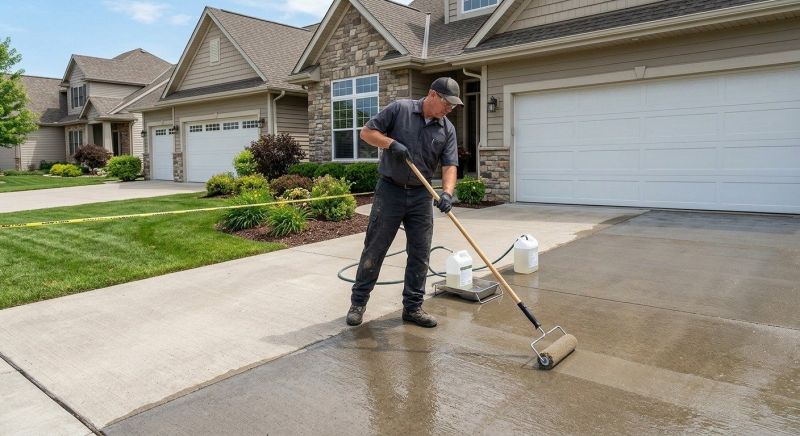
Concrete driveway sealing is a protective treatment designed to extend the life and appearance of existing concrete surfaces. This service involves applying a specialized sealant that helps prevent damage from water, stains, and wear caused by foot and vehicle traffic. Homeowners often request driveway sealing for projects that include new or older concrete driveways, parking areas, or walkways, aiming to maintain their property's curb appeal and avoid costly repairs caused by cracking or surface deterioration.
Before requesting concrete driveway sealing, property owners typically want to understand the condition of the existing surface, including any cracks or damage that may need addressing beforehand. It’s also helpful to know the type of sealant used, the recommended frequency of application, and how weather conditions can impact the sealing process. Proper preparation and choosing the right product can ensure the driveway remains protected and visually appealing for years to come.
Many property owners in Seattle, WA look into Concrete Driveway Sealing for repairs, replacements, upgrades, and appearance-related improvements.
Benefits Of Driveway Sealing
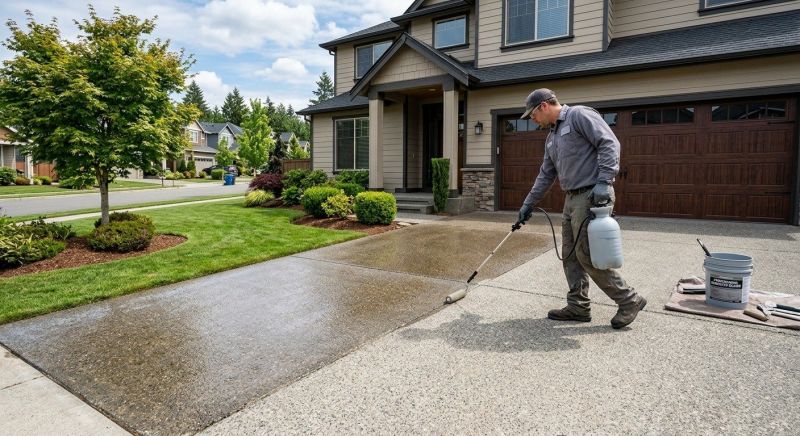
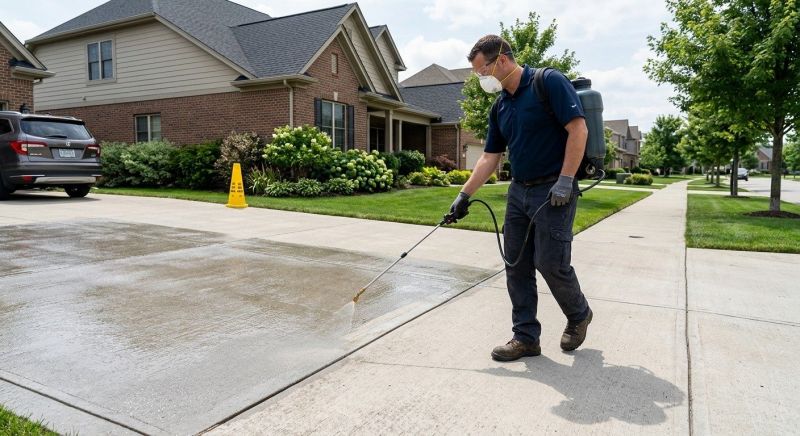
Sealing helps protect concrete driveways from stains, cracks, and weather damage in seattle's climate.
Common Sealing Projects
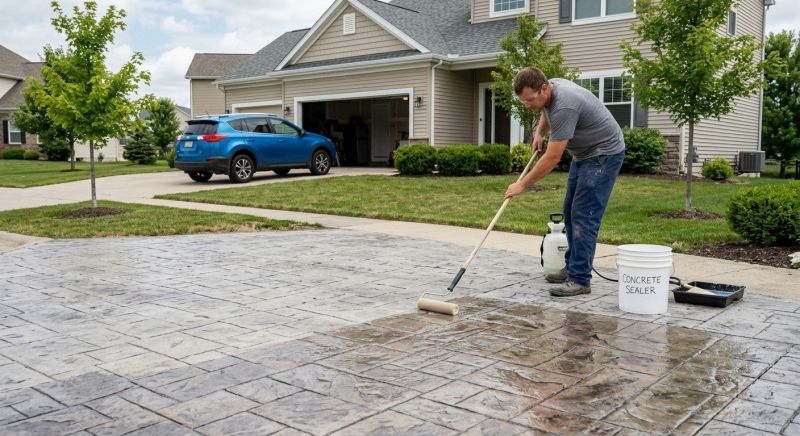
Homeowners often seal new or existing concrete driveways to extend their lifespan and improve curb appeal.
Maintenance Tips
Regular sealing can keep concrete surfaces looking fresh and prevent damage from the region's moisture and temperature changes.
Concrete Driveway Sealing in Seattle, WA

Concrete driveway sealing is a protective treatment designed to extend the life and appearance of existing concrete surfaces. This service involves applying a specialized sealant that helps prevent damage from water, stains, and wear caused by foot and vehicle traffic. Homeowners often request driveway sealing for projects that include new or older concrete driveways, parking areas, or walkways, aiming to maintain their property's curb appeal and avoid costly repairs caused by cracking or surface deterioration.
Before requesting concrete driveway sealing, property owners typically want to understand the condition of the existing surface, including any cracks or damage that may need addressing beforehand. It’s also helpful to know the type of sealant used, the recommended frequency of application, and how weather conditions can impact the sealing process. Proper preparation and choosing the right product can ensure the driveway remains protected and visually appealing for years to come.
Many property owners in Seattle, WA look into Concrete Driveway Sealing for repairs, replacements, upgrades, and appearance-related improvements.
Common Concrete Driveway Sealing Jobs
Concrete Driveway Sealing - Protects the surface from stains, cracks, and weather damage.
Residential Driveways - Enhances curb appeal and extends the lifespan of home driveways.
Commercial Parking Areas - Maintains a clean, professional appearance for business properties.
New Concrete Surfaces - Preserves the finish and prevents early deterioration of fresh concrete.
Existing Driveways - Refreshes and safeguards older concrete against future damage.
Heavy Traffic Areas - Provides a durable protective layer for areas with frequent vehicle use.
Concrete Driveway Sealing Questions
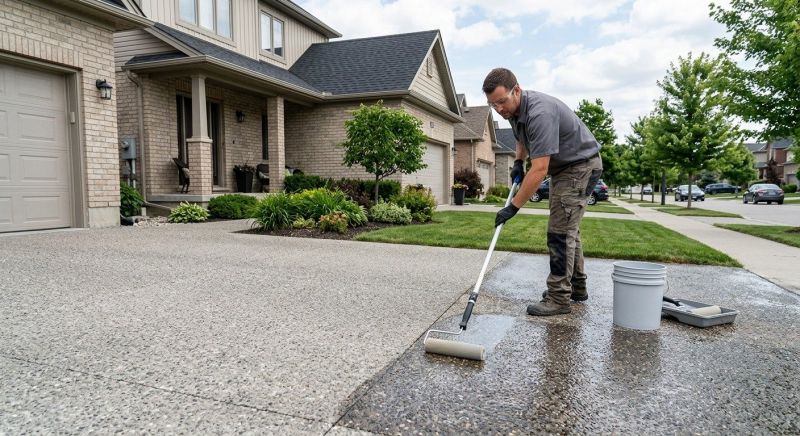
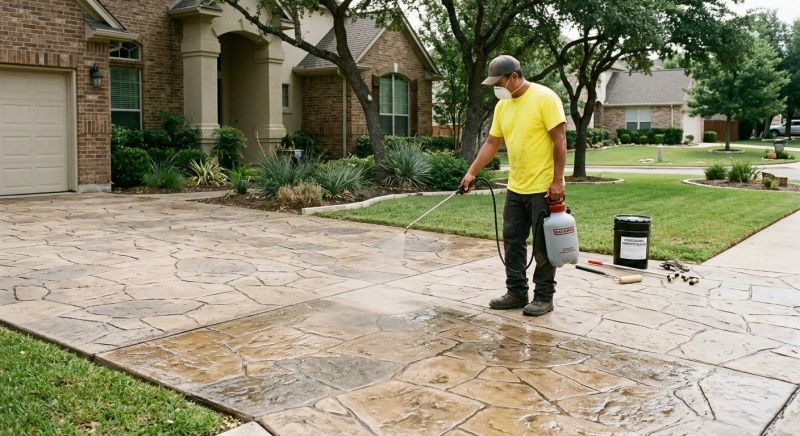
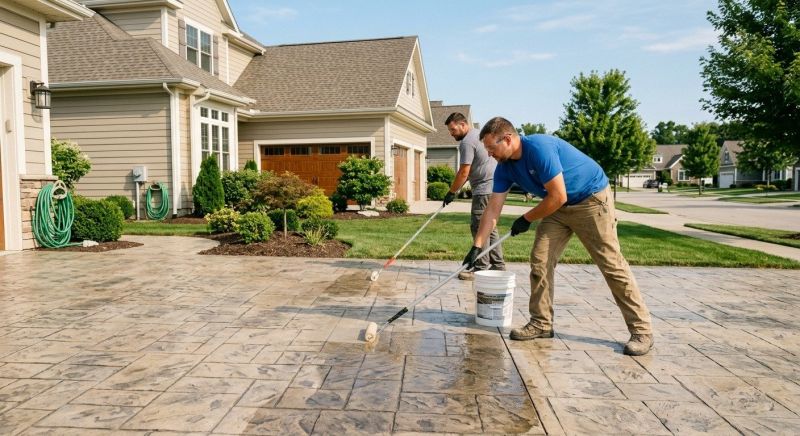
What is concrete driveway sealing? It involves applying a protective coating to the driveway surface to prevent damage from moisture, stains, and wear.
Why should property owners consider sealing a driveway? Sealing helps extend the lifespan of the driveway and maintains its appearance by resisting cracking and staining.
What types of projects benefit from driveway sealing? Sealing is suitable for new or older driveways that want to improve durability and curb appeal.
How often should a driveway be sealed? Typically, sealing every 2 to 3 years helps preserve the surface and prevent damage.
Request Concrete Driveway Sealing in Seattle, WA
Use the quote form on this page to share the basics of your project and request more information for the type of work you need.